
The TrumpRx drug price initiative has opened a new door to significantly lower out-of-pocket expenses for various GLP-1 weight loss medications, a change that directly impacts Houston residents seeking medical obesity treatments. In this article, we’ll break down how the Trump GLP-1 price deal operates, which medications and manufacturers are involved, and practical steps Houstonians can take to access these more affordable options. You’ll discover what TrumpRx proposes, projected timelines for Medicare and Medicaid, local pricing insights for medications like semaglutide and tirzepatide, and how virtual physician-led programs can streamline access and savings. We’ll also outline clinician eligibility criteria, safety screenings, and real-world payment strategies — including how some clinics accept FSA/HSA and offer flexible monthly plans — so you can weigh your options and determine your next steps. Keep reading for concise answers, comparison tables summarizing medication and program features, and straightforward onboarding steps for virtual weight-loss care in Texas.
What Is the Trump GLP-1 Drug Price Deal and How Does It Make Medications More Affordable?
The Trump GLP-1 drug price deal, often referred to as TrumpRx, is a policy initiative designed to establish direct-purchase pricing tiers and negotiated options that lower patient out-of-pocket costs for select anti-obesity medications. This program combines manufacturer-supported pricing tiers with enhanced negotiation power for payers, resulting in reduced monthly retail prices, making injectables and new oral GLP-1s more affordable for those paying out-of-pocket or with limited insurance coverage. The immediate advantage is easier access to lower fixed costs for eligible patients, while the longer-term effect is a gradual decrease in insurance co-pays. Understanding these mechanics empowers patients to recognize when a direct-purchase tier or new Medicare policy could significantly impact their monthly medication expenses.
This section will detail the core features of the program and the anticipated payer timelines that dictate when savings will be available to typical patients; the next subsection will clarify direct-purchase tiers and enrollment processes in practical terms.
What Are the Key Features of the TrumpRx Program for GLP-1 Medications?
TrumpRx centralizes reduced-cost purchasing options and tiered pricing for participating GLP-1 medications, allowing consumers to buy selected formulations at fixed monthly rates instead of facing steep pharmacy markups. Key features of the program include enrollment through a dedicated platform, manufacturer participation that establishes price tiers, and limitations based on supply and eligibility; patients typically present a prescription and choose the tier that aligns with their clinical needs. Reported example tiers for GLP-1s in public discussions include lower-cost monthly injectables and starter oral pricing that significantly cut initial costs. These practical features make the program accessible to patients who are uninsured, underinsured, or looking for predictable out-of-pocket expenses.
These program mechanics directly influence payer-level changes, which is why the next subsection summarizes expected Medicare and Medicaid timelines and their implications for broader coverage.
How Will Medicare and Medicaid Coverage Evolve for GLP-1 Drugs in 2025-2026?
Changes to Medicare and Medicaid linked to the TrumpRx initiative are structured as phased implementations that expand coverage and negotiate co-pay structures, with significant milestones anticipated through 2025–2026. For Medicare beneficiaries, expanded formulary inclusion or negotiation windows may lead to notably lower co-pays during the rollout, while Medicaid changes will vary by state and reflect local adoption timelines and preferred drug lists. The overall effect should be more consistent coverage options for eligible patients and fewer sudden out-of-pocket spikes, although timing and plan-level formularies will dictate individual access. Staying informed about official payer announcements is crucial, as enrollment rules and step-therapy requirements often shape what patients actually pay at the pharmacy.
These payer changes interact with local market prices; the next section will localize the impact for Houston residents and contrast market realities with the new national pricing options.
How Does the Trump Deal Impact GLP-1 Medication Costs for Houston Residents?
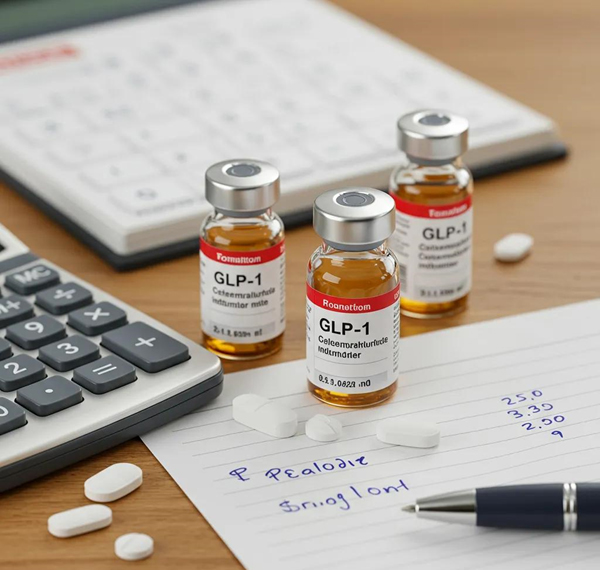
For Houston residents, the Trump deal not only promises lower fixed-cost options through direct-purchase tiers but also enhances negotiating power for local insurers and pharmacies, potentially reducing typical cash retail variability. In practical terms, TrumpRx makes lower-tier injectables and starter oral GLP-1s accessible to consumers who meet program requirements, which can lower the premium paid at some pharmacies or through mail-order suppliers. The immediate local benefit is greater price predictability; the longer-term effect is pressure on local retail pricing and insurance formulary policies. Understanding local retail ranges, program tiers, and virtual clinic offerings will empower Houston patients to choose the most affordable path.
Before we delve into clinic options that facilitate access, the table below summarizes medication entities, their administration routes, and reported pricing context to clarify local implications.
| Medication (Representative) | Route | Typical Pre-Deal Retail Context | Reported TrumpRx/Reduced Tier |
|---|---|---|---|
| Semaglutide (Ozempic, Wegovy) | Injectable (subcutaneous) | Wide retail variability; often billed as a monthly supply with significant pharmacy markups | Reported reduced injectable tier (example discussion: ~$350/month for participating tiers) |
| Tirzepatide (Mounjaro, Zepbound) | Injectable | Higher list prices for weight-loss indications; coverage depends on insurer | Participating tiers expected to offer lower fixed monthly pricing similar to semaglutide tiers |
| Oral GLP-1 Candidates (oral semaglutide, orforglipron) | Oral tablet | Newer oral options were premium-priced at launch | Reported starter oral tier example discussed publicly: ~$149/month starter |
What Are the Current Prices of Ozempic, Wegovy, and Other GLP-1s in Houston?
Current retail prices in Houston vary significantly by pharmacy, insurance, manufacturer coupons, and dispensing methods, which historically created unpredictable monthly costs for semaglutide and tirzepatide. Many patients without robust insurance coverage have faced monthly out-of-pocket obligations ranging from several hundred to over a thousand dollars, depending on dosage and supply; for insured patients, co-pays are dictated by plan tiers. The TrumpRx tiers and emerging Medicare coverage aim to narrow that spread by introducing flat lower-cost options for participating formulations, reducing the unpredictability of retail markups. This variability highlights why sourcing options, program eligibility, and clinician guidance are essential for practical affordability.
Understanding this local variability leads us to the role that virtual, physician-led platforms play in coordinating prescriptions, pharmacy selection, and payment strategies for patients seeking the most affordable pathway.
How Does TeleSlim Clinic Houston Provide Affordable GLP-1 Weight Loss Programs?

TeleSlim Clinic Houston is a physician-led virtual weight-loss clinic that offers tailored medical programs combining prescription access, clinician oversight, and transparent pricing pathways designed to lower barriers to GLP-1 therapy. TeleSlim emphasizes doctor-led care with board-certified obesity medicine physicians, virtual convenience, personalized plans, and clear affordability — examples in public listings highlight starter pricing as low as $99/month and discounted multi-month plans (3-, 6-, 12-month). The clinic accepts FSA/HSA cards, facilitates pharmacy coordination, and provides ongoing support features such as 24/7 doctor texting to assist patients in managing dosing and accessing pharmacy savings. For Houston patients considering TrumpRx options, TeleSlim can help with eligibility assessments and selecting the most cost-effective acquisition route.
TeleSlim’s program details and enrollment steps are further explored in the dedicated section about virtual programs, where a formal comparison table of program tiers clarifies what’s included.
What Are TeleSlim Clinic Houston’s Virtual GLP-1 Weight Loss Programs and How Do They Work?
TeleSlim Clinic Houston operates on a virtual, physician-led model that begins with an intake assessment, clinician evaluation, prescription decision, and follow-up monitoring — all coordinated remotely to maximize convenience and safety. The model employs evidence-based prescribing of FDA-approved GLP-1 and GIP agonists when clinically appropriate, pairs medication with lifestyle guidance, and prioritizes ongoing dose titration and adverse-effect monitoring. Patients receive a personalized plan from board-certified obesity medicine physicians, remote messaging access for questions, and pharmacy coordination to pursue savings pathways. This structure supports both clinical safety and practical affordability by reducing visit friction and helping patients navigate manufacturer or payer savings options.
The table below outlines representative program tiers and attributes to illustrate TeleSlim’s value proposition and how it complements national pricing initiatives.
| Program Tier | What’s Included | Physician Access & Support |
|---|---|---|
| Monthly Plan (example: $99/month) | Virtual consult, medication management, remote follow-ups | Ongoing messaging, routine tele-visits with board-certified physicians |
| Discounted 3-/6-Month Plans | Multi-month pricing discount, medication coordination, monitoring cadence | Scheduled follow-ups, dose titration, pharmacy savings guidance |
| Annual/12-Month Program | Comprehensive long-term plan, periodic lab review, adherence support | Regular physician check-ins and prioritized messaging access |
How Does the Physician-Led Virtual Consultation Process Support Weight Loss?
TeleSlim’s physician-led virtual consult begins with a structured intake covering medical history, current medications, prior weight-loss attempts, and targeted health metrics such as BMI and metabolic parameters. The physician evaluates contraindications and comorbidities, discusses treatment goals, and selects an appropriate GLP-1 or alternative therapy with a titration schedule tailored to tolerability and efficacy. Follow-up cadence is established (virtual check-ins and messaging), and the clinician monitors side effects, weight trends, and necessary labs; remote care enables timely dose adjustments without the need for travel. This physician oversight balances access and safety, ensuring medication decisions align with each patient’s clinical profile while connecting patients to affordability pathways.
What Flexible Payment Options and Support Does TeleSlim Provide for GLP-1 Medications?
TeleSlim supports various payment approaches designed to minimize initial cost barriers and align ongoing medication access with patient budgets, including low-monthly starter pricing, discounted multi-month plans, and acceptance of FSA/HSA funds for eligible expenses. The clinic’s virtual model also assists patients in identifying pharmacy options and manufacturer savings programs that can further reduce net costs, and 24/7 doctor texting streamlines dosing inquiries that might otherwise lead to emergency visits or waste. TeleSlim’s transparent pricing examples (such as $99/month starter offers and discounted 3-, 6-, and 12-month bundles shown in public listings) illustrate how bundling clinical care with medication management can lower the total cost of ownership.
To make payment choices actionable, the next section outlines who qualifies for GLP-1 therapy and how TeleSlim assesses clinical eligibility before prescribing.
Who Is Eligible for GLP-1 Weight Loss Medications and How Does TeleSlim Assess Eligibility?
Eligibility for GLP-1 weight-loss medications generally follows clinical BMI thresholds and the presence of qualifying comorbidities; physicians screen for contraindications and determine appropriateness on an individual basis. Standard clinical thresholds commonly used in practice are BMI ≥30 kg/m² or BMI ≥27 kg/m² with obesity-related conditions such as type 2 diabetes, hypertension, or dyslipidemia. TeleSlim’s assessment protocol includes a medical history review, medication reconciliation, targeted labs when indicated, and evaluation of contraindications to ensure medication safety. This clinician-led screening balances guideline-based criteria with individualized judgment to protect patients and optimize outcomes.
The table below summarizes typical eligibility attributes to help readers quickly assess their likely qualification before a formal clinician evaluation.
| Eligibility Parameter | Typical Threshold | Clinical Note |
|---|---|---|
| BMI | ≥30 kg/m² | Primary threshold for pharmacologic weight-loss therapy |
| BMI with Comorbidity | ≥27 kg/m² plus T2D, hypertension, or dyslipidemia | Comorbid condition qualifies lower BMI threshold |
| Age & Safety Screening | Adult patients; clinicians assess pregnancy avoidance and contraindications | Detailed medication history and labs guide final decision |
What Are the BMI and Health Requirements to Qualify for GLP-1 Treatment?
Clinically, qualifying for GLP-1 therapy typically requires meeting one of two conditions: a BMI of 30 kg/m² or greater, or a BMI of 27 kg/m² or greater combined with an obesity-related comorbidity such as type 2 diabetes or cardiovascular risk factors. Physicians also screen for exclusion criteria including pregnancy plans, certain gastrointestinal conditions, and drug interactions that could affect safety or efficacy. TeleSlim’s intake collects height, weight, relevant diagnoses, and medication history to confirm those thresholds and flag potential contraindications before prescribing. This structured screening ensures that only appropriate candidates receive therapy and that monitoring is in place where risks are identified.
How Does TeleSlim’s Physician-Led Evaluation Ensure Safe and Personalized Care?
TeleSlim’s physician-led evaluation includes pre-prescription checks such as medical history review, assessment for contraindications, and ordering labs when clinically indicated to confirm baseline safety. Medication selection and dose titration are individualized, with clear follow-up schedules and access to clinicians via messaging to report side effects or concerns. Safety protocols also include education on expected side effects, dose escalation plans to improve tolerability, and referral pathways if in-person care or urgent evaluation becomes necessary. This layered oversight — guideline-informed thresholds, personalized dosing, and continuous remote monitoring — supports both efficacy and patient safety in virtual GLP-1 management.
What Are the Future Trends in GLP-1 Weight Loss Medications After the Trump Deal?
In the wake of the Trump deal, the GLP-1 market is poised to evolve with broader adoption of oral formulations, ongoing price competition, and more payer-level formulary adjustments that will influence long-term affordability and access. Oral GLP-1 approvals and expanded manufacturer programs are likely to shift some demand away from injectables, enhance adherence for patients preferring pills, and introduce new pricing tiers that reflect different distribution models. Long-term research will also guide clinical guidelines by clarifying maintenance strategies, cardiovascular outcomes, and optimal discontinuation protocols — all of which affect value calculations for patients and payers. These market dynamics suggest a multi-year window where access broadens but requires active navigation by clinicians and patients.
How Will Oral GLP-1 Medications Change Accessibility and Pricing?
Oral GLP-1 medications reduce some barriers associated with injectable administration — particularly convenience and needle aversion — and may broaden uptake among patients who previously declined injectable therapy. From a pricing perspective, oral formulations can introduce distinct starter tiers and distribution channels that potentially undercut higher-cost injectables, with public discussions citing starter oral pricing examples in reduced-tier programs. Easier distribution through standard pharmacies may also encourage wider generic or branded competition over time, which could lower net costs for many patients. These changes mean clinicians and patients will need to weigh route-specific adherence, side-effect profiles, and total cost of therapy when selecting treatment.
What Are the Long-Term Benefits and Safety Considerations of GLP-1 Treatments?
Long-term evidence indicates that GLP-1 therapies can provide sustained weight reduction, improvements in glycemic control, and favorable cardiometabolic changes when combined with lifestyle modifications and appropriate clinical follow-up. Common short-term side effects include gastrointestinal discomfort that typically improves with dose titration, while longer-term safety monitoring focuses on metabolic markers, gallbladder disease signals, and rare adverse events identified in post-marketing surveillance. Clinician-guided titration, routine monitoring, and patient education help mitigate risk, and ongoing research continues to refine duration-of-therapy recommendations to balance sustained benefit and safety. Patients should discuss long-term goals and monitoring plans with prescribing clinicians to align treatment with individual risk profiles.
What Are the Most Common Questions About GLP-1 Affordability and TeleSlim’s Programs?
Below are concise answers to the most frequently asked questions regarding affordability and access, organized for quick reading and action. Each answer is crafted to clarify cost expectations and next steps for patients considering GLP-1 therapy in Houston.
- How much will GLP-1 medications cost with Trump’s new deal in Houston? Short: Reported reduced tiers aim to offer injectable monthly pricing in the lower hundreds (example public discussions cite ~ $350/month tiers) and starter oral tiers around ~$149/month; actual eligibility, pharmacy selection, and plan coverage will determine final out-of-pocket costs.
- Can I get affordable Ozempic or Wegovy through TeleSlim Clinic Houston? Short: Absolutely — TeleSlim can prescribe FDA-approved GLP-1s when clinically appropriate and offers transparent starter pricing (public examples show $99/month starter offers and discounted multi-month plans) while assisting patients in pursuing FSA/HSA and manufacturer savings.
- What are the quickest steps to start with TeleSlim? Short: Complete a clinical intake, schedule the virtual physician consultation, confirm eligibility, and coordinate pharmacy or program enrollment with clinician guidance.
How Much Will GLP-1 Medications Cost with Trump’s New Deal in Houston?
Reported public examples tied to reduced-price initiatives suggest injectable reduced-tier discussions around the low-to-mid hundreds per month and starter oral tiers around $149/month, but actual costs depend on eligibility, supply, and pharmacy choices. Local variability means some Houston patients may still encounter higher retail prices if they do not utilize a participating tier or lack plan coverage. Important caveats include program enrollment rules, manufacturer participation, and timing of payer formulary updates that may delay savings for some patients. For precise out-of-pocket estimates, patients should compare available program tiers, consult with prescribing clinicians, and investigate FSA/HSA applicability.
This pricing clarity leads us to the practical question of whether TeleSlim can provide affordable access, which the next subsection answers directly.
Can I Get Affordable Ozempic or Wegovy Through TeleSlim Clinic Houston?
Yes — TeleSlim can evaluate, prescribe, and support access to FDA-approved GLP-1 medications like semaglutide or tirzepatide when clinically appropriate, and the clinic’s virtual model helps patients leverage price tiers, pharmacy options, and payment programs to reduce costs. TeleSlim’s offerings include transparent starter pricing examples publicly listed (e.g., $99/month starter and discounted multi-month plans), FSA/HSA acceptance, and active coordination with pharmacies to pursue manufacturer or program savings. To begin, patients complete a clinical intake and schedule a virtual consult where clinicians assess eligibility and outline the most cost-effective acquisition strategy. This clinician-led coordination helps align clinical safety with affordability.
- Next steps: Complete intake, schedule consult, confirm eligibility, and collaborate with clinicians to finalize pharmacy and payment approach.
- Support features: Physician oversight, multi-month plan discounts, FSA/HSA acceptance, and 24/7 messaging to manage dosing and tolerability.
- When to act: If you meet clinical thresholds and desire predictable monthly costs, initiating a virtual consult is the quickest path to a tailored affordability plan.
This concludes the set of planned explanations and practical resources for Houston residents seeking affordable GLP-1 treatment options.
Frequently Asked Questions
What should I know about the safety of GLP-1 medications?
GLP-1 medications are generally regarded as safe for most patients when prescribed by a qualified healthcare provider. Common side effects include gastrointestinal issues such as nausea and diarrhea, which often improve over time. However, patients should be screened for contraindications, such as a history of pancreatitis or certain gastrointestinal conditions. Regular monitoring and follow-up consultations are essential to ensure safety and efficacy, allowing for timely adjustments to the treatment plan as needed.
How do I know if I qualify for GLP-1 therapy?
Eligibility for GLP-1 therapy typically requires a body mass index (BMI) of 30 kg/m² or greater, or a BMI of 27 kg/m² with obesity-related conditions like type 2 diabetes or hypertension. A thorough assessment by a healthcare provider, including a review of medical history and potential contraindications, is necessary to determine individual suitability for treatment. This personalized evaluation helps ensure that patients receive the most appropriate and safe therapy for their needs.
What are the potential long-term effects of using GLP-1 medications?
Long-term use of GLP-1 medications has been associated with sustained weight loss, improved glycemic control, and beneficial cardiovascular outcomes. However, ongoing monitoring is crucial to identify any adverse effects, such as gastrointestinal issues or metabolic changes. Patients should engage in regular follow-ups with their healthcare provider to assess the effectiveness of the treatment and make necessary adjustments, ensuring that the benefits outweigh any potential risks over time.
Can I use my health savings account (HSA) or flexible spending account (FSA) for GLP-1 medications?
Yes, many patients can use their health savings accounts (HSA) or flexible spending accounts (FSA) to cover the costs of GLP-1 medications, provided they are prescribed by a licensed healthcare provider. This can significantly reduce out-of-pocket expenses. It's advisable to check with your specific HSA or FSA provider for eligibility and coverage details, as policies may vary. TeleSlim Clinic also accepts these payment methods, making it easier for patients to access affordable treatment.
What role do lifestyle changes play in conjunction with GLP-1 therapy?
Lifestyle changes, including diet and exercise, play a crucial role in maximizing the effectiveness of GLP-1 therapy. While these medications can aid in weight loss and glycemic control, combining them with healthy eating habits and regular physical activity enhances overall results. Patients are encouraged to work with healthcare providers to develop a comprehensive plan that includes lifestyle modifications, ensuring a holistic approach to weight management and health improvement.
How can I access TeleSlim's virtual consultations for GLP-1 therapy?
Accessing TeleSlim's virtual consultations is straightforward. Interested patients can complete a clinical intake form online, which assesses eligibility for GLP-1 therapy. Following this, a virtual consultation with a board-certified physician can be scheduled. During the consultation, the physician will evaluate the patient's medical history, discuss treatment options, and create a personalized plan. This convenient model allows patients to receive care from the comfort of their homes while ensuring they have access to necessary medical support.
Conclusion
The TrumpRx initiative significantly enhances access to affordable GLP-1 weight loss medications for Houston residents, providing a pathway to lower out-of-pocket costs and predictable pricing. By understanding the program's features and local implications, patients can make informed decisions about their treatment options. We encourage you to explore TeleSlim Clinic's virtual programs to find the most cost-effective solutions tailored to your needs. Take the first step towards a healthier future by scheduling your virtual consultation today.


